


DIAGNOSTIC TESTING FOR INFERTILITY
OVULATION CALENDAR
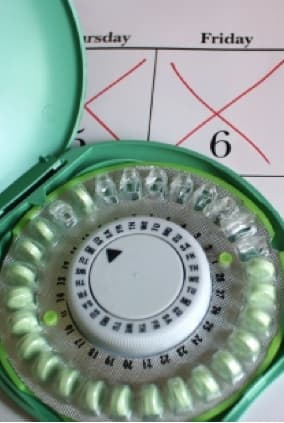
An ovulation calendar allows you to understand your ovulation cycle. Like fertility charting, the ovulation calendar method allows you to chart your fertility and recognize general patterns in fertile and infertile phases. The calendar method involves keeping a written record and helps you predict ovulation by understanding the history of your menstrual cycles. An ovulation calendar is most useful for women whose menstrual cycles are regular. For women with irregular cycles, an ovulation microscope is recommended.
OVULATION MICROSCOPE
Ovulation microscopes test your saliva to help indicate your most fertile time of month. During ovulation, the rise in estrogen increases the salinity of your saliva. This alters the composition of your saliva and forms crystalline structures (ferns or ferning patterns) that can be seen through an ovulation microscope.
For best results, test on a daily basis, preferably first thing in the morning before eating, drinking or brushing your teeth. Track each day's results on a calendar or fertility chart. When you begin to see a ferning pattern, the onset of ovulation is approaching. This is the beginning of your most fertile time to conceive.
Not Fertile: Simple dot patterns and lines indicate no ovulation. You are not fertile at this time.
Transitional: Small ferning patterns – or crystal forms - appear among the spots and lines. Ovulation may occur in 3-4 days. At this time, conception is possible, though not yet likely.
Fertile: Strong ferning – or crystal – patterns dominate the sample. Ovulation is about to occur or already occurring. At this time, conception is likely. This is your most fertile time of the month. Conception is possible from between 5 days before to 24 hours after ovulation.
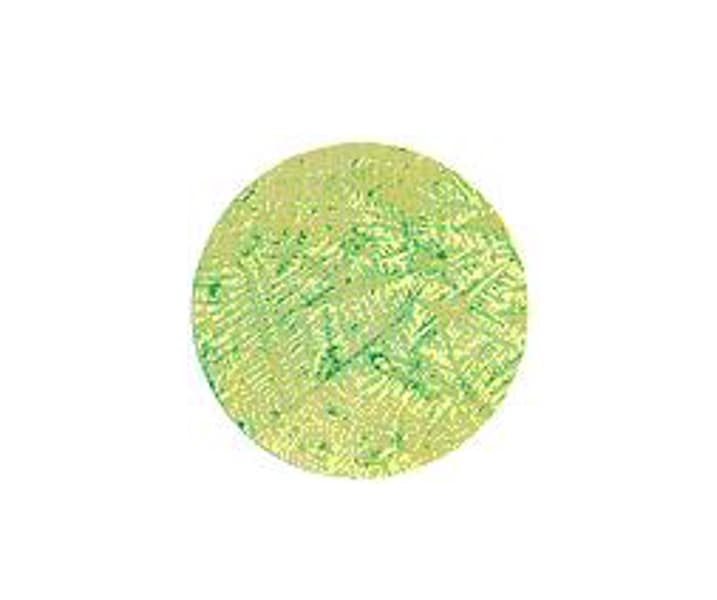
Fertile: A positive (ferning) test result
OVULATION TESTS - OPKs AND SALIVA TESTS
Ovulation Predictor Kits (OPK) can be used during the middle of your cycle, prior to ovulation to anticipate and predict fertility. OPKs work by detecting an increase in luteinising hormone (LH) in your urine. Before ovulation, you will notice a spike in LH. The rise in LH occurs approximately 36 hours before ovulation, indicating peak fertility.
The best time to use these tests is between 2 and 8 p.m. First morning urine is not recommended. Having intercourse the day of the LH spike and the two days after should help ensure a successful pregnancy. Although these tests help in corroborating your charting, none will give you the comprehensive information that your own BBT and cervical fluid will give you directly everyday.
HORMONE TESTS FOR FERTILITY AVAILABLE AT OUR CLINIC
1. Women's Hormonal Health Assessment provides a focused overview of hormonal balance in both pre- and post-menopausal women, using a single serum sample to evaluate dynamics of sex steroid metabolism that can profoundly affect a woman's health throughout her lifetime.
2. Essential Estrogen, Urine evaluate how estrogen is being processed in the body. The tests yield clinical insight into many estrogen-dependent conditions and provide important tools for monitoring dietary, lifestyle and hormone therapies.
3. Comprehensive Thyroid Assessment is a comprehensive analysis of thyroid hormone secretion and metabolism, including central thyroid regulation and activity, peripheral thyroid function, and thyroid autoimmunity. This serum test allows the practitioner to pinpoint commonly occurring imbalances that underlie a broad spectrum of chronic illness.
4. Adrenocortex Stress Profile is a salivary assay of cortisol and DHEA, imbalances of which are associated with ailments ranging from obesity and menstrual disorders to immune deficiency and increased risk of cardiovascular disease.
5. Male Hormone Plus Profile analyzes four saliva samples over a 24-hour period for levels of testosterone. Elevated levels suggest androgen resistance, while decreased levels can result from such causes as hypogonadism, hepatic cirrhosis, lipid abnormalities and aging. The comprehensive profile includes the Adrenocortex Stress Profile and the Comprehensive Melatonin Profile to reveal how testosterone is influenced by cortisol, DHEA, and melatonin.
6. Female Hormone Profile (Rhythm Plus) analyzes eleven saliva samples over a 28-day period for the levels of ß-estradiol, progesterone, and testosterone, providing clues about menstrual irregularities, infertility, endometriosis, breast cancer, and osteoporosis. The comprehensive profile includes the Adrenocortex Stress Profile and the Comprehensive Melatonin Profile to reveal how the sex hormones are influenced by cortisol, DHEA, and melatonin. We also offer AMH - ANTI MULLERIAN HORMONE TESTING at our clinic for egg reserve.
For more information on fertility treatments and testing provided for at the clinic, or to schedule an appointment to see our naturopathic doctor, please call the clinic at 416 913 4325.

Related Articles
Acne
Acne is a common skin condition with a prevalence of 80% in female and 90% in male teenagers. It is caused by a disorder of the oil glands that result in clogged pores and outbreaks of lesions commonly known as pimples. Risk factors: poor diet, excessive sugar, trans fats and processed foods.
Candidiasis
Candida overgrowth in the gastrointestinal tract is now becoming recognized as a complex medical syndrome known as chronic candidiasis or the yeast syndrome. Symptoms include: Multiple food allergies, or allergic to all foods( pan allergic), alternating diarrhea with constipation.
Chronic Fatigue
Chronic Fatigue Syndrome (CFS) is described as a severe, debilitating fatigue, lasting at least six months (of new and definite onset), associated with at least four of the following symptoms: impaired memory or concentration, sore throat, muscle pains, joint pains, unrefreshing sleep and post-exertion malaise.
Irritable Bowel Syndrome
Irritable bowel syndrome (IBS) - a diagnosis of exclusion, this condition is often misdiagnosed. Severe food intolerances / allergies may exhibit symptoms that are similar to Irritable Bowel Syndrome such as pain, cramping, gassiness, sudden bouts of diarrhoea, and constipation.